
Impaired Driving in Ontario: Shocking Facts, Laws, and Prevention Tips
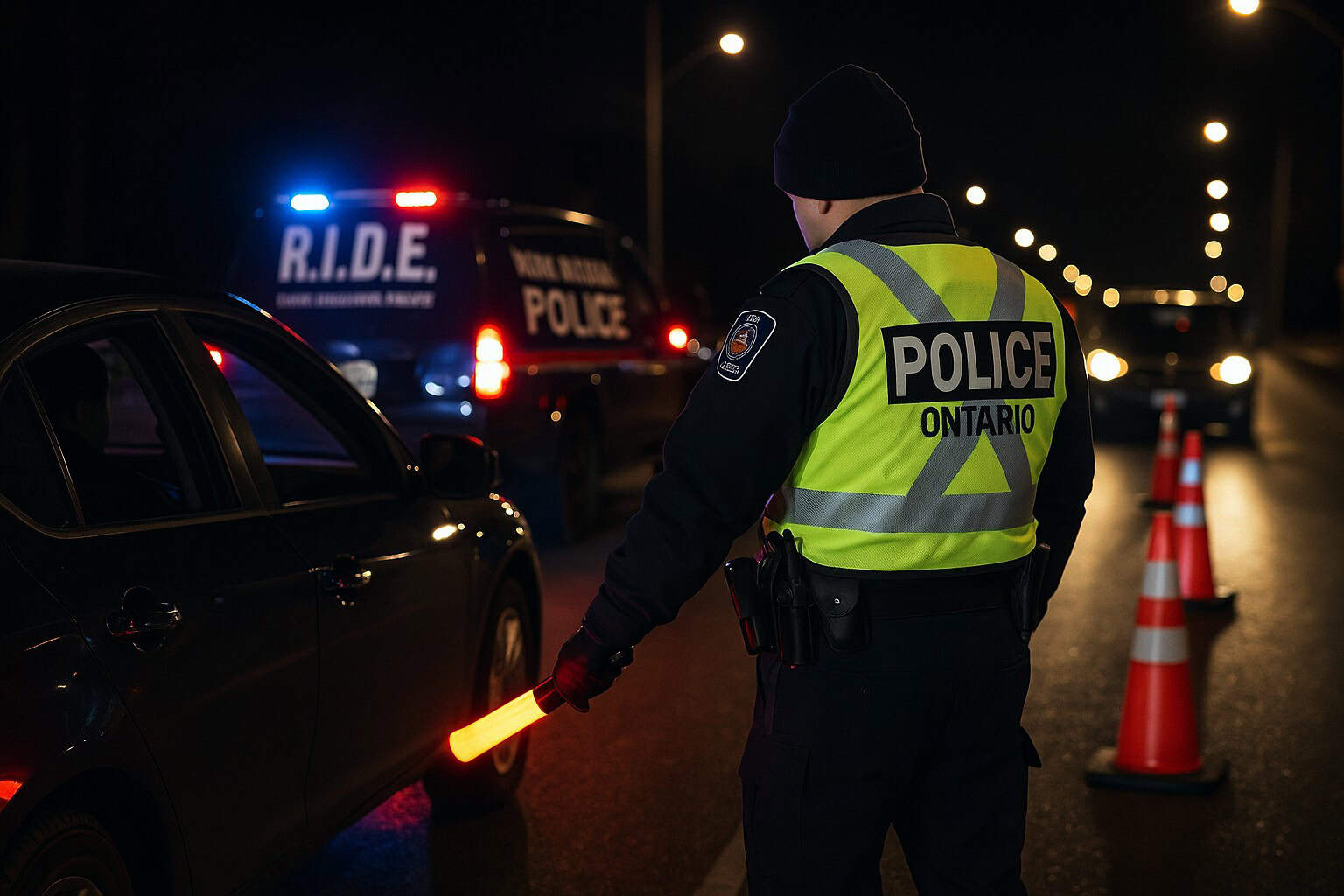
Impaired Driving in Ontario remains one of the most preventable causes of serious collisions. This guide explains the laws, roadside penalties, long-term consequences, and smart ways to stay safe—written for clarity and action.
Understanding Impaired Driving in Ontario
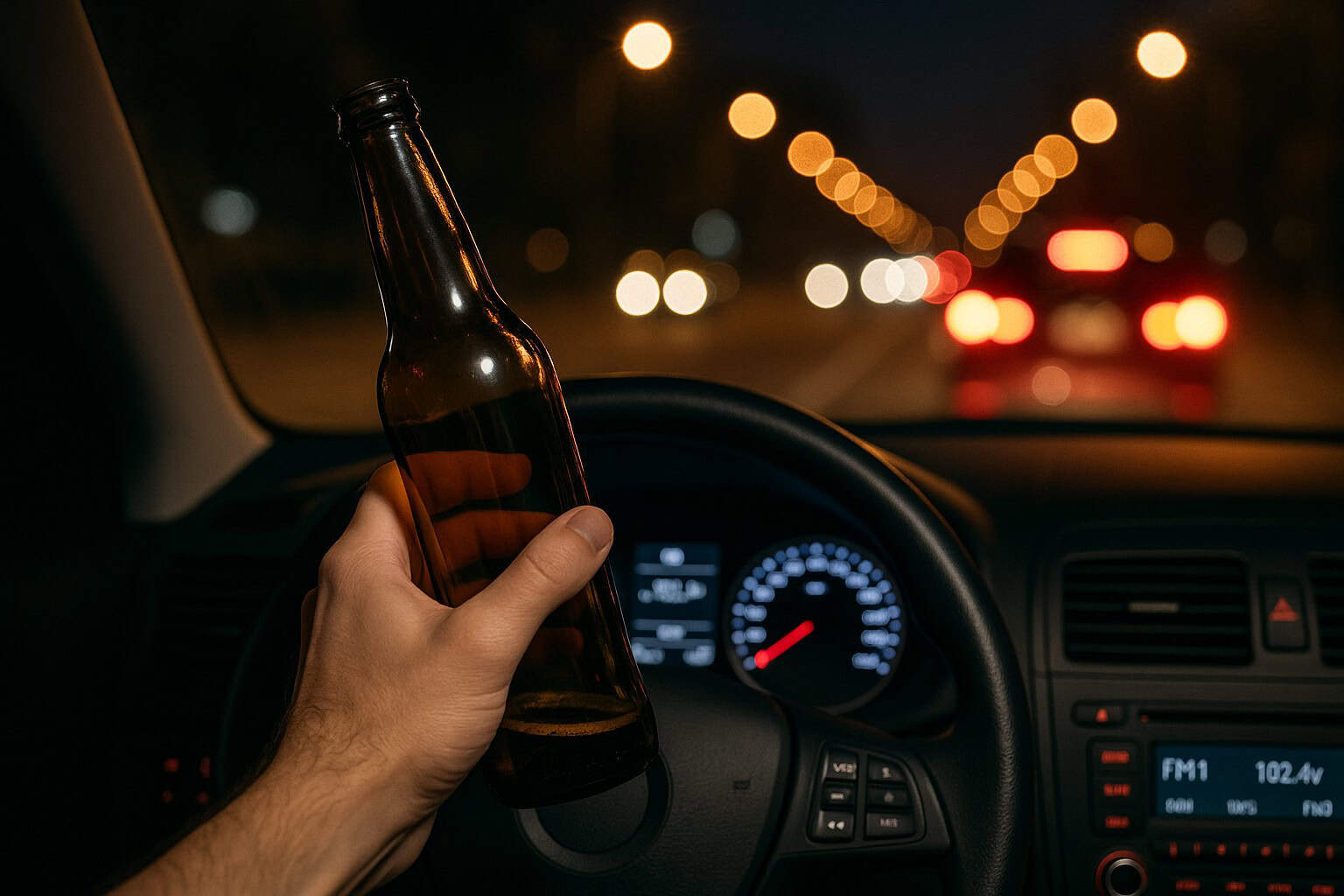
Impaired driving covers alcohol, cannabis, illegal drugs, and even prescription or over-the-counter medications that reduce your ability to drive safely. Police assess impairment through observations, standardized field sobriety tests, breath testing for alcohol, and blood or oral-fluid testing for drugs.
What counts as impairment under Ontario law?
If your ability to operate a vehicle is even slightly compromised by alcohol or drugs, you can be considered impaired. You don’t need to be “fall-down drunk”—slowed reactions, poor coordination, or divided attention is enough to trigger penalties.
Blood Alcohol Concentration (BAC) limits, in plain English
| Driver Type | Limit | What it means |
|---|---|---|
| Novice (G1, G2, M1, M2) | 0.00 BAC | No alcohol at all. |
| Commercial | 0.00 BAC | Zero tolerance while operating a commercial vehicle. |
| Fully Licensed | 0.05–0.079 BAC | Warn range: immediate roadside penalties. |
| Criminal Threshold | 0.08+ BAC | Criminal Code offence; arrest and charges. |
Legal Consequences of Impaired Driving
Immediate roadside penalties
- Warn range (0.05–0.079 BAC): 3-day suspension (first), longer for repeats, plus fees.
- Fail or refuse: 90-day Administrative Driver’s Licence Suspension (ADLS), 7-day vehicle impound.
Refusing a test is treated like failing it—expect the same or worse penalties.

Criminal charges & court process
At or above 0.08 BAC, drug impairment, or a refusal can lead to arrest, fingerprints, and a court date. A conviction creates a permanent criminal record, affecting travel, employment screening, and professional licensing.
Typical sentencing elements
- Minimum $1,000 fine for a first conviction (higher with elevated BAC).
- 1-year licence suspension (with ignition interlock conditions on reinstatement).
- Mandatory education/treatment programs and victim fine surcharges.
- Vehicle impound/shutdown periods and costly insurance consequences.
Stats & Trends: The Risk Picture
Impaired driving remains a factor in a significant share of fatal collisions in Ontario. Enforcement (R.I.D.E. checks), public education, and interlock programs continue to reduce—but not eliminate—risk. The safest tactic is simple: never drive after drinking or using drugs.
The Role of Cannabis & Other Drugs
How cannabis changes driving
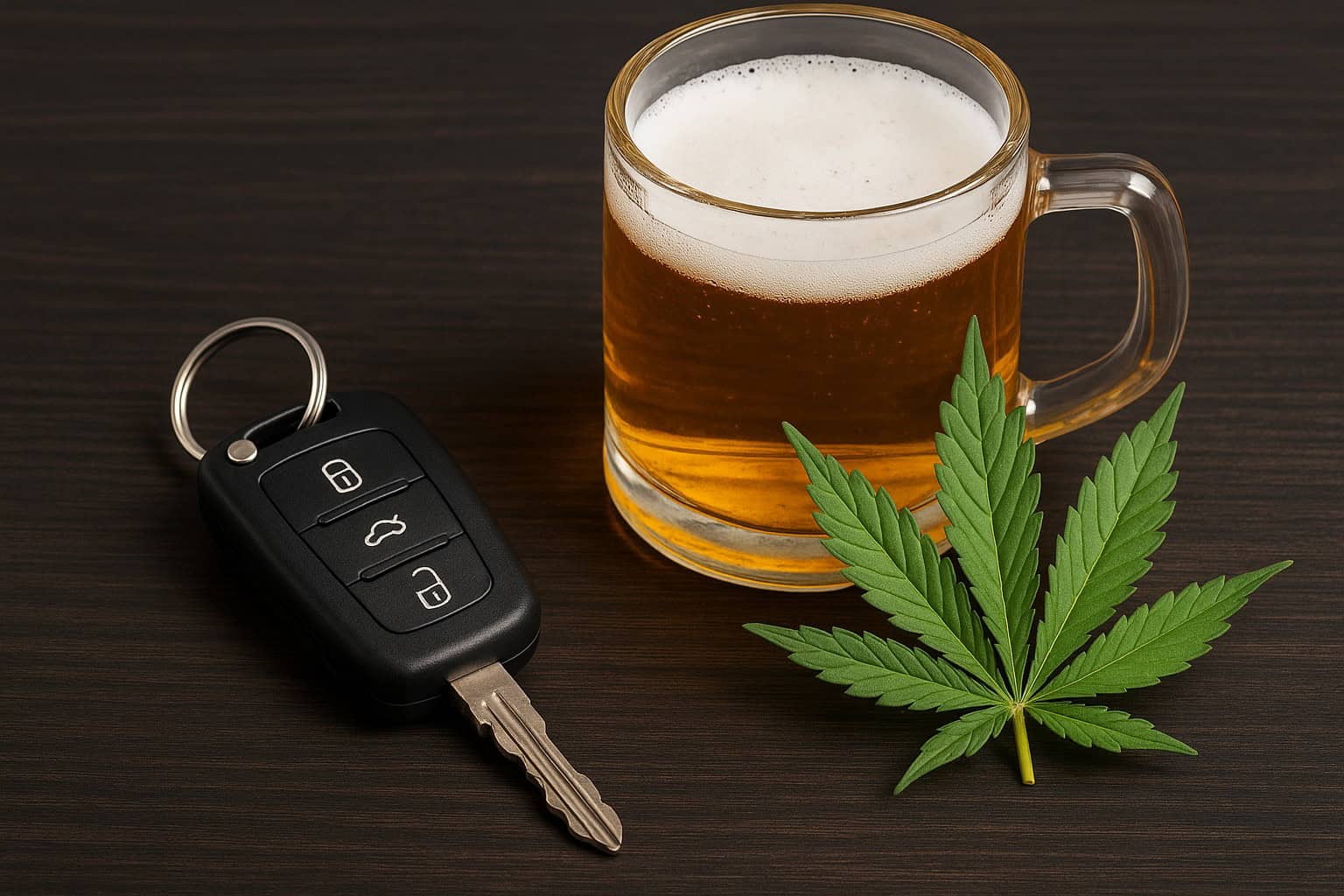
THC can slow reaction time, narrow attention, and distort time–distance judgment. Drivers are more likely to drift lanes, miss cues, and brake late.
Other substances to watch
- Opioids and sedatives: drowsiness and slowed reflexes.
- Stimulants: risky over-confidence, erratic speed control.
- Prescription & OTC meds: many warn “do not operate a vehicle”—heed the label and your pharmacist.
Money, Insurance, and Human Costs
| Consequence | What to expect |
|---|---|
| Insurance | Sharp premium hikes or cancellation; “high-risk” policies can cost thousands more per year. |
| Employment/Travel | Background checks and border issues (esp. U.S.) after a conviction. |
| Families & Victims | Long-term trauma, rehab, lost income, and grief—far beyond fines. |
Smart Alternatives to Driving Impaired
- Transit (subway, bus, GO/UP), taxis, or rideshare apps.
- Designated driver, stay-over plans, or alcohol-free host options.
- Use reminders: set “no-drive after drinks” rules in group chats.
Get strategic help before you make statements or plead.
FAQs: Impaired Driving in Ontario
What is the legal alcohol limit for fully licensed drivers?
Criminal charges start at 0.08 BAC. Ontario also enforces a 0.05–0.079 BAC warn range with immediate suspensions.
Can I refuse a roadside breath test?
Refusal generally carries the same consequences as failing, including ADLS, fines, and criminal charges.
How long does cannabis affect driving?
Impairment can last several hours, and residual effects vary by dose and experience. Legal limits apply regardless of how you feel.
What happens on a first conviction?
Expect a minimum $1,000 fine, a 1-year licence suspension, education/treatment, and ignition interlock on reinstatement.
Do prescription meds count as impairment?
Yes. If they affect safe operation, you can be charged—even if the medication is legal and prescribed.
How do Ontario penalties compare?
Ontario’s warn-range suspensions and interlock programs are among Canada’s strictest; B.C. and Alberta have comparable regimes.
Conclusion: Build a Safer Ontario
Every impaired-driving crash is preventable. Plan your ride, watch your meds, and pause before you turn a key. If you’re already facing charges, informed legal strategy matters—fast.
Learn more from the province: Ontario Ministry of Transportation – Impaired Driving.