
Assault Defence Ontario: Definitive, Proven Guide (2025) for Beating Charges
Expert Criminal Defence for Simple Assault, Assault Causing Bodily Harm, and Aggravated Assault
Get Expert Criminal Defence Today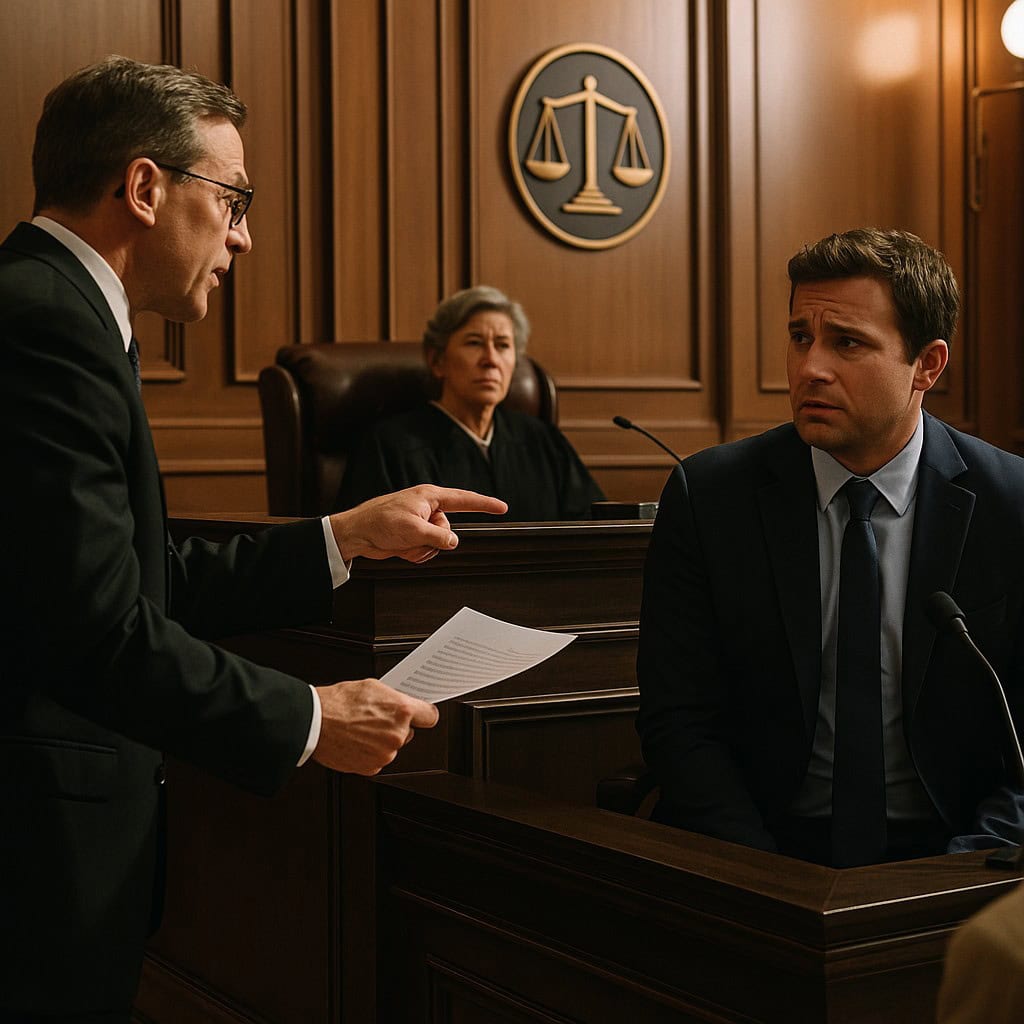
What Counts as "Assault" in Ontario? Statutes & Core Elements
A person commits assault when:
(a) without the consent of another person, applies force intentionally;
(b) attempts or threatens to apply force with present ability causing reasonable belief;
(c) while openly wearing/carrying a weapon, accosts or impedes another person.
Under s. 265 of the Criminal Code, assault in Ontario encompasses both physical contact and threatening behaviour. The Crown must prove two essential elements beyond a reasonable doubt: the actus reus (physical act) and mens rea (mental element).
Actus Reus: Force, Threats, or Gestures
The Crown can prove assault through actual contact OR threatening gestures if there's reasonable belief of present ability to carry out the threat. Importantly, no injury is required for the base offence—even touching someone's clothing can constitute assault if done intentionally and without consent.
Mens Rea: Intent, Wilfulness, and Reasonable Perception
The mental element requires intentional application (or threat) of force. Recklessness alone won't suffice for threat-based assaults. The trier of fact must evaluate whether the complainant reasonably perceived an imminent application of force based on the accused's actions and circumstances.
Ontario Assault Charge Types (from Least to Most Serious)
Simple Assault (s. 266)
Elements: Basic assault with no weapon and no bodily harm proven
Maximum Penalty: 5 years imprisonment
Common Outcomes: Diversion, conditional discharge, probation, or short jail terms
Defence Focus: Consent, identity challenges, de minimis force, self-defence
Assault with Weapon/Causing Bodily Harm (s. 267)
Three Pathways: (a) weapon use/threat, (b) causing bodily harm, (c) choking/suffocating/strangling
Maximum Penalty: 10 years imprisonment
Key Definitions: "Bodily harm" = injury interfering with health/comfort, more than transient/trifling
Defence Strategy: Challenge weapon designation, contest bodily harm threshold, medical evidence analysis
Aggravated Assault (s. 268)
Elements: Wounding, maiming, disfiguring, or endangering life
Maximum Penalty: 14 years imprisonment
Serious Consequences: Penitentiary time, lengthy weapon prohibitions, DNA orders
Defence Approach: Expert medical evidence, challenge level of harm, self-defence under Khill framework
Inchoate & Related Offences in Assault Cases
Assault cases often include additional charges targeting planning stages or unsuccessful attempts:
Attempts (s. 24)
Anyone who attempts to commit an offence is guilty of attempt, even if completion was impossible. In assault cases, this often appears where threatened harm didn't materialize but intent was clear.
Counselling (ss. 22, 464)
Two routes: s. 22 makes counsellors parties to completed offences; s. 464 criminalizes counselling uncommitted offences. Common in group assault scenarios.
Conspiracy (s. 465)
Agreement to commit an offence, even if the plan never advances. Appears in cases involving planned group attacks or organized violence.
Pillars of Successful Assault Defence in Ontario
Self-Defence Framework (s. 34) & Khill Guidance
Canada's modern self-defence test requires: (1) reasonable belief that force was being used or threatened; (2) defensive purpose; and (3) reasonableness in circumstances. The Supreme Court in R v Khill (2021 SCC 37) broadened self-defence analysis, requiring contextual reasonableness assessment including the accused's "role in the incident."
- Imminence of threatened harm
- Proportionality between defensive force and threat
- Availability of safe escape routes
- Weapons involved by either party
- History of relationship between parties
- Intoxication affecting perception
- Any mistaken beliefs held by accused
Consent Limitations: Jobidon Rules
While consent can defend simple assault (especially sports contexts), R v Jobidon limits consent for intended bodily harm in fistfights. You generally cannot rely on consent when serious injury is intended or caused in street fights, making this defence unavailable in most bar fight scenarios.
Identity, Credibility, and Reasonable Doubt
Many Ontario assault cases turn on unreliable identification, poor CCTV quality, or inconsistent witness statements. Where the Crown's narrative contains gaps or contradictions, reasonable doubt often leads to acquittal.
Accident, Reflex, and De Minimis Force
Unintended contact during crowded situations or reflexive movements can negate intent. Trivial contact may be argued as de minimis, especially where no fear or injury is proven—particularly useful in s. 266 prosecutions.
Evidence Strategies Our Lawyers Use
Digital Evidence Analysis
We aggressively pursue comprehensive disclosure including:
- Body-cam and in-car video: Often reveals inconsistencies with officer testimony
- 911 recordings: Compare initial complaint with trial testimony
- CCTV footage: Can disprove allegations or support self-defence claims
- Medical records: Test whether claimed bodily harm meets statutory threshold
- Digital communications: Text messages, social media often reveal motive, bias, or contradictions
Expert Evidence Deployment
In s. 267(b) cases, medical experts help juries understand whether bruising truly interfered with health or comfort beyond trivial levels. For weapon allegations, experts clarify whether objects qualify as weapons in specific contexts.
Ontario Case Law Snapshots in Assault Defence
R v Khill (2021 SCC 37) – Self-Defence Expanded
This Hamilton case clarified that juries must consider whole context including accused's perception, role in events, and proportionality. For Ontario defence lawyers, Khill is now the blueprint for arguing reasonableness in self-defence.
R v Jobidon (1991 SCC) – Consent Limits in Fights
Landmark SCC case applied throughout Ontario: even if both parties agree to fight, consent doesn't excuse serious bodily harm. This eliminates "mutual combat" arguments in bar fights where someone sustains injury.
R v Bottineau (ONCA) – Transient vs. Bodily Harm
Ontario courts consistently emphasize that "bodily harm" must exceed transient or trifling injury. Minor scratches or fleeting discomfort may not meet threshold. Defence often relies on this to downgrade s. 267 charges to simple assault.
R v Ewanchuk (1999 SCC) – Consent Standards
While primarily a sexual assault case, Ontario courts apply same consent principles: only affirmative, voluntary agreement counts. Defence lawyers test whether Crown proved absence of consent beyond reasonable doubt.
Sentencing Ranges for Assault in Ontario
Simple Assault (s. 266)
- First offence, no injuries: Conditional discharge, probation, peace bond
- Repeat or aggravating factors: 30–90 days jail
- Domestic context: Enhanced penalties, mandatory programming
Assault with Weapon/Bodily Harm (s. 267)
- Lower end: 60–90 days jail (often intermittent), probation
- Mid-range bodily harm: 6–12 months jail
- Weapon with prior record: 12–24 months jail
Aggravated Assault (s. 268)
- Baseline penitentiary terms: 2–6 years depending on harm severity
- Weapon + repeat offender: 5–10 years possible
- Additional consequences: Weapon prohibitions, DNA orders, victim surcharges
Cross-Examination Themes in Ontario Assault Trials
Winning assault trials often depends on credibility battles. Here are proven cross-examination strategies used in Ontario courtrooms:
Inconsistencies in Complainant's Story
- "You told the 911 operator he pushed you once, but today you testified it was three times—which is accurate?"
- "Your statement to police differs significantly from your testimony today regarding the sequence of events."
Exaggeration of Injuries
- "The medical records show no evidence of strangulation marks you described."
- "Doctor's notes don't record bruising where you claimed you were struck repeatedly."
Bias and Motive to Fabricate
- "You were facing workplace discipline the next day—isn't it convenient these allegations arose now?"
- "This assault allegation emerged during contentious divorce proceedings, correct?"
Identity Challenges
- "You observed the alleged assault for less than three seconds in poor lighting—yet you're certain of identification?"
- "You admitted consuming significant alcohol that evening—how can you be sure who struck you?"
Potential Career and Life Impacts
Assault convictions in Ontario carry consequences extending far beyond immediate penalties:
- Criminal Record: Permanent unless pardoned, affecting employment and travel
- Professional Licensing: Lawyers, nurses, teachers, engineers face disciplinary action
- Immigration Status: Serious criminality can trigger deportation proceedings
- Employment Consequences: Many employers conduct criminal background checks
- Weapon Prohibitions: Can affect hunting, sports, and certain occupations
- Insurance Issues: Auto and professional liability coverage may be affected
- Volunteer Restrictions: Unable to work with vulnerable populations
Frequently Asked Questions: Assault Defence Ontario
The Crown decides whether to continue prosecution. A recanting complainant may still be compelled to testify, making credibility central to defence strategy.
Usually no where bodily harm was intended or caused—Jobidon limits consent in fistfights. Sports or regulated combat contexts are different and may allow consent defences.
Injuries interfering with health or comfort that are more than transient or trifling—lasting bruises, cuts requiring stitches. Minor, fleeting discomfort typically doesn't qualify.
Almost anything can be a weapon if used, designed, or intended to harm or intimidate—bottles, belts, vehicles, dogs, chairs. Context and intent are key factors in weapon determination.
Under s. 34 and Khill guidance, self-defence requires defensive purpose and reasonableness in context. Courts consider multiple factors including imminence, proportionality, and available alternatives.
Yes. Section 265 covers threats with present ability to carry out the threat. Simply displaying weapons while confronting someone can constitute assault.
Why Choose We Defend You for Assault Defence in Ontario
35+ years of proven success defending assault charges across Ontario's criminal courts
Khill-Compliant Self-Defence Strategies
We build comprehensive self-defence arguments using the Supreme Court's expanded Khill framework, incorporating expert testimony and contextual reasonableness analysis to maximize acquittal chances.
Expert Evidence & Medical Analysis
Our team challenges weak bodily harm allegations with targeted medical experts, forensic analysis, and threshold assessments that often result in charge reductions or dismissals.
Aggressive Cross-Examination
We systematically dismantle Crown cases through credibility challenges, inconsistency exploitation, and bias exposure that creates reasonable doubt and wins acquittals.
Early Resolution & Diversion
Many assault cases resolve favourably before trial through strategic Crown negotiations, alternative measures, and peace bond arrangements that preserve your record and reputation.
Defend Your Assault Charges with Expert Defence
Don't let assault charges destroy your future. Our experienced criminal defence team provides the aggressive, strategic representation needed to protect your freedom, reputation, and livelihood.
Free Confidential Consultation Available
Call us today to discuss your case and learn how we can help you navigate the criminal justice system with confidence and achieve the best possible outcome.
Call Now for Urgent Consultation Email Our Criminal Defence Team
Defending Assault Charges Across Ontario
Toronto • Ottawa • Hamilton • London • Windsor • Kingston • Sudbury • Thunder Bay
Simple Assault (s. 266) • Assault Causing Bodily Harm (s. 267) • Aggravated Assault (s. 268)
Self-Defence Claims • Weapons Allegations • Domestic Assault • Bar Fights
Your freedom and future deserve expert criminal defence